Loading...
Our Doctrine
What We Believe
The Pilgrim Nazarene Church holds firmly to the historic doctrines of the Christian faith and the Wesleyan-holiness tradition.
The Church of the Triune God
God the Father
We believe in one eternally existent, infinite God, Sovereign of the universe; that He only is God, creative and administrative, holy in nature, attributes and purpose; that He, as God, is Triune in essential being, revealed as Father, Son and Holy Spirit — three Persons yet one God.
Genesis 1:1; Leviticus 19:2; Deuteronomy 6:4–5; Isaiah 5:16; 6:1–7; 40:18–31; Matthew 3:16–17; 28:19–20; John 14:6–27; 1 Peter 1:2
Jesus Christ
We believe in Jesus Christ, the Second Person of the Triune Godhead; that He was eternally one with the Father; that He became incarnate by the Holy Ghost and was born of the Virgin Mary, so that two whole and perfect natures, that is to say the Godhead and manhood, are thus united in one Person very God and very man, the God-man.
We believe that Jesus Christ died for our sins and that He truly arose from the dead and took again His body, together with all things appertaining to the perfection of man's nature, wherewith He ascended into heaven and is there engaged in intercession for us.
Matthew 1:20–25; 16:15–16; Luke 1:26–35; John 1:1–18; Acts 2:22–36; Romans 8:3, 32–34; Philippians 2:5–11; Hebrews 7:25; 9:24
The Holy Spirit
We believe in the Holy Spirit, the Third Person of the Triune Godhead, that He is ever present and efficiently active in and with the Church of Christ, convincing the world of sin, regenerating those who repent and believe, sanctifying believers, and guiding into all truth as it is in Jesus.
John 7:39; 14:15–18, 26; 16:7–15; Acts 2:33; 15:8–9; Romans 8:1–27
Salvation Through Christ
Original Sin, or Depravity
We believe that original sin, or depravity, is that corruption of the nature of all the offspring of Adam by reason of which everyone is very far gone from original righteousness or the pure state of our first parents at the time of their creation, is averse to God, without spiritual life and inclined to evil and that continually. In the Scriptures, it is spoken of as the carnal mind, the old man and the flesh.
We further believe that original sin continues to exist after regeneration, though suppressed, until crucified (eradicated) and destroyed by the baptism with the Holy Ghost.
Genesis 6:5; Romans 3:12, 5:12–18, 6:6, 7:14, 8:5–8; 1 Corinthians 15:22; Acts 15:8–9; 1 John 3:8
Justification, Regeneration, and Adoption
We believe that justification is that gracious and judicial act of God by which He grants full pardon of all guilt and complete release from the penalty of sins committed and accepts as righteous all who believe on Jesus Christ and receive Him as Lord and Saviour. We believe that regeneration, or the new birth, is that gracious work of God whereby the moral nature of the repentant believer is spiritually quickened and given a distinctly spiritual life capable of faith, love and obedience.
We believe that adoption is that gracious act of God by which the justified and regenerated believer is constituted a son of God. We believe that justification, regeneration and adoption are simultaneous in the experience of seekers after God and are obtained upon the condition of faith in the merits of the shed blood of Jesus Christ, preceded by repentance, and that to this work and state of grace the Holy Spirit bears witness.
Romans 3:23–25, 5:1; 2 Corinthians 5:17; 1 Peter 1:23
Holiness — Entire Sanctification
The Work of the Holy Spirit
We believe that entire sanctification is that act of God, subsequent to regeneration, by which believers are made free from original sin, or depravity, and brought into a state of entire devotement to God and the holy obedience of love made perfect. It is wrought by the baptism with the Holy Ghost and comprehends in one experience the cleansing of the heart from sin and the abiding, indwelling presence of the Holy Ghost, empowering the believer for life and service.
Entire sanctification is provided through the blood of Jesus, is wrought instantaneously by faith preceded by entire consecration, and to this work and state of grace the Holy Spirit bears witness. This experience is also known by various terms representing its different phases, such as “Christian Perfection,” “Perfect Love,” “Heart Purity,” “the Baptism with the Holy Ghost,” “the Fullness of the Blessing” and “Christian Holiness.”
Romans 6:6, 11, 13, 22; 12:1; 15:16; Galatians 2:20; Hebrews 10:14–15; 13:12–13
The Witness of the Spirit
The witness of the Spirit is that inward impression wrought on the soul whereby the Spirit of God immediately and directly assures our spirit that Bible conditions are met for salvation and the work of grace is complete in the soul. Therefore, the Spirit bears witness to both the salvation of the sinner and the sanctification of the believer.
Romans 8:16; Hebrews 10:14–15; 1 John 5:10
The Holy Scriptures
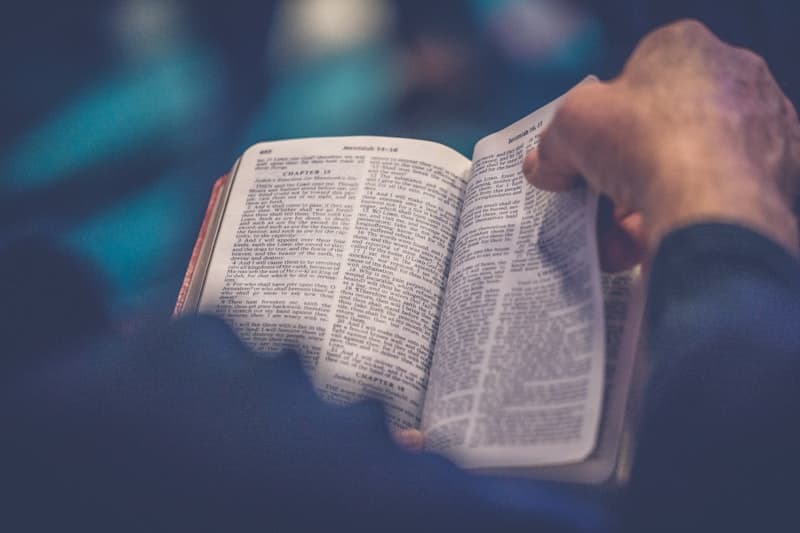
The Holy Bible, God's Word
We believe that the sixty-six canonical books of the Old and New Testaments were given by divine inspiration and are the Word of God. We believe the Holy Scriptures inerrantly reveal the will of God concerning all things necessary to our salvation, so that whatever is not contained therein, nor may be proved thereby, is not to be enjoined as an article of faith.
2 Timothy 3:16–17; 2 Peter 1:20–21; Luke 24:44–45; John 10:35
The Second Coming of Christ
The Rapture of the Church
We believe that the Lord Jesus Christ will come again. We believe that His coming will be literal and bodily, and we who are alive at His coming shall not precede them that are asleep in Christ Jesus; but that, if we are abiding in Him, we shall be caught up with the risen saints to meet the Lord in the air, so that we shall ever be with the Lord.
We believe that the coming of Christ will be pre-millennial, and we should distinguish between His coming for His saints and with His saints. The latter will not occur until after the manifestation of the Anti-Christ and the Great Tribulation. The one hope of the church is the pre-millennial coming of Jesus.
1 Thessalonians 4:13–18; Jude 14; 2 Thessalonians 2:7–11; Revelation 19:20; Acts 15:13–17; Titus 2:11–14; Matthew 25:31–46; John 14:1–3; Hebrews 9:26–28; Revelation 1:7